Citrus fruits, pomegranate, persimmon, apricot, peach, fig
Adults are generally about two-thirds the size of a common housefly. The overall body color is yellowish brown, with broad wings marked by black and pale brownish bands.


Citrus fruits, pomegranate, persimmon, apricot, peach, fig
Adults are generally about two-thirds the size of a common housefly. The overall body color is yellowish brown, with broad wings marked by black and pale brownish bands.
Larvae feed on the fleshy parts of host fruits, causing softening and fruit drop. Infested fruits ripen prematurely and fall from the tree.
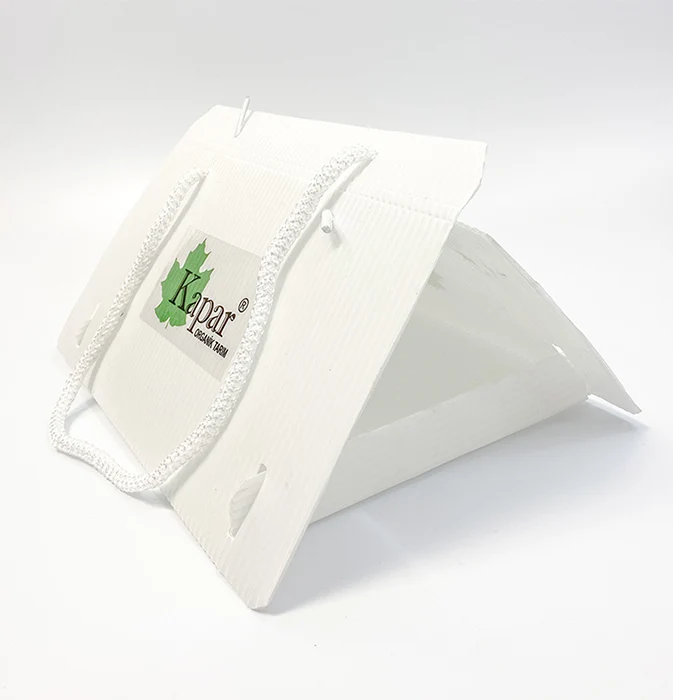
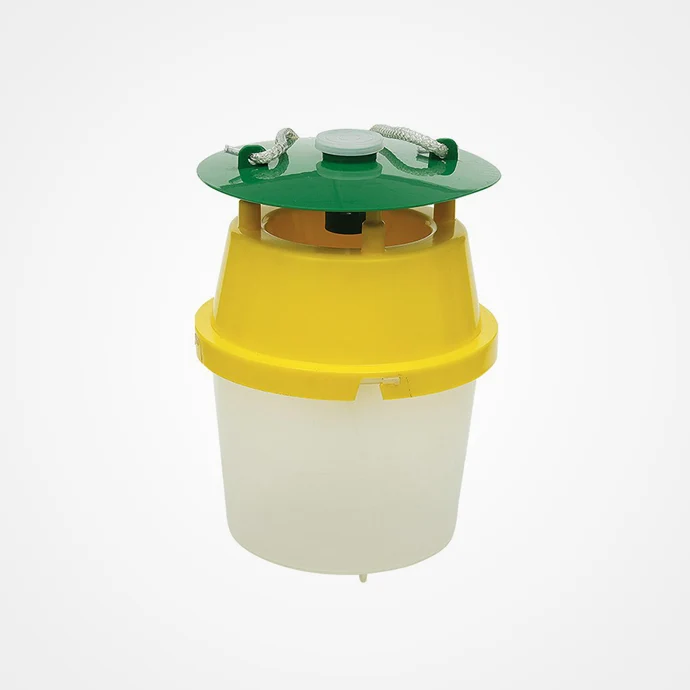
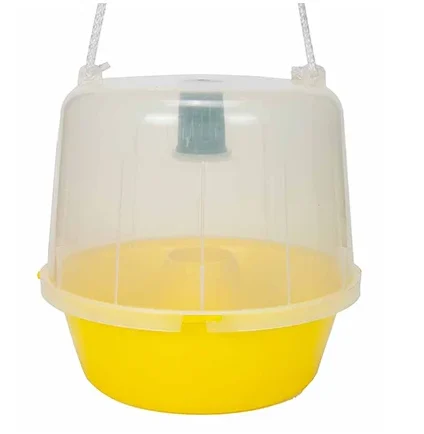
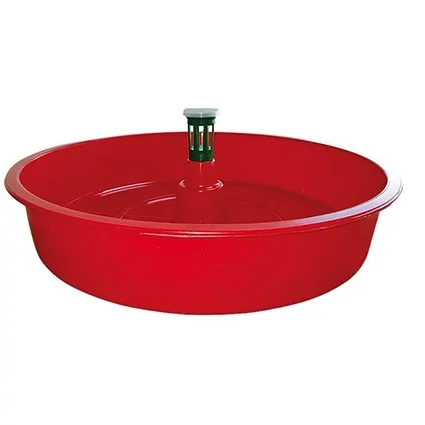
Adult emergence from overwintering generations occurs in late spring and early summer. Once temperatures rise above 16 °C, the pest may produce 4–5 generations per year in the Aegean Region and 7–8 generations per year in the Mediterranean Region. After trees begin flowering, 3 traps per hectare should be installed.
Because the pest can produce multiple generations within a year, when population increases are detected in monitoring traps, control measures should begin. In citrus, traps are typically deployed during September–October, and in pomegranate during August–September. Traps should be hung at 15–20 meter intervals, especially before the ripening of early varieties such as Satsuma mandarins and pomegranate cultivars.